4 hr
Marrakech Historic Walking Tour: Palaces, Tombs & Souks
Explore Marrakech's UNESCO Medina, royal tombs, ornate palaces, and bustling markets on a guided 4-hour walk
Reserve
Labyrinthine alleys where spice traders, leather artisans, and metal smiths have bargained for a thousand years
Hand-picked by our editors — only the best 4 experiences from 47 reviewed.
Verified partners for Marrakech Souks Walking tours, free cancellation where available, and instant confirmation on every booking.
4 hr
Explore Marrakech's UNESCO Medina, royal tombs, ornate palaces, and bustling markets on a guided 4-hour walk
Reserve
3 hr
Explore iconic Islamic architecture, hidden gardens, and vibrant markets on this 3-hour guided walk
Reserve
3 hr
Navigate the vibrant labyrinth of Marrakech's traditional markets with a local guide
ReservePrices from verified partners. Availability updates in real time at checkout. Free cancellation policies apply where shown.
The landmarks, rooms, and views travelers on Marrakech Souks Walking tours remember — all visible on a single visit.
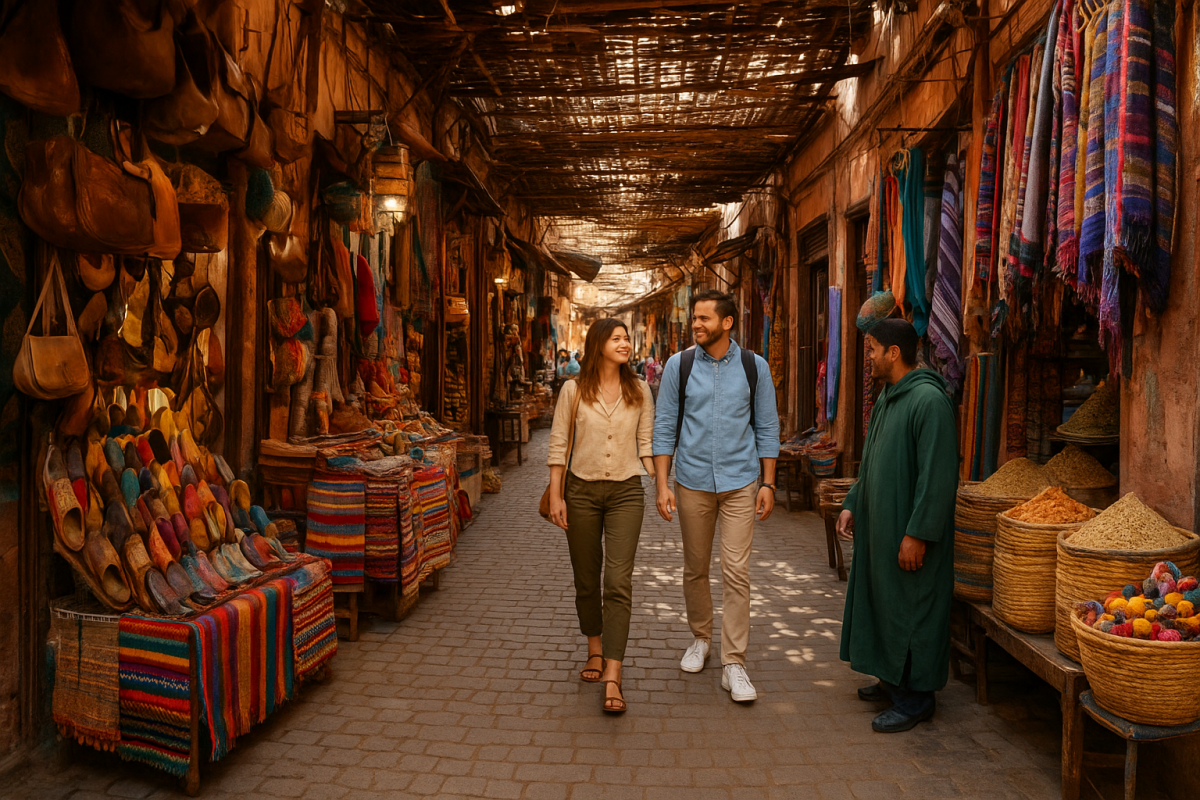
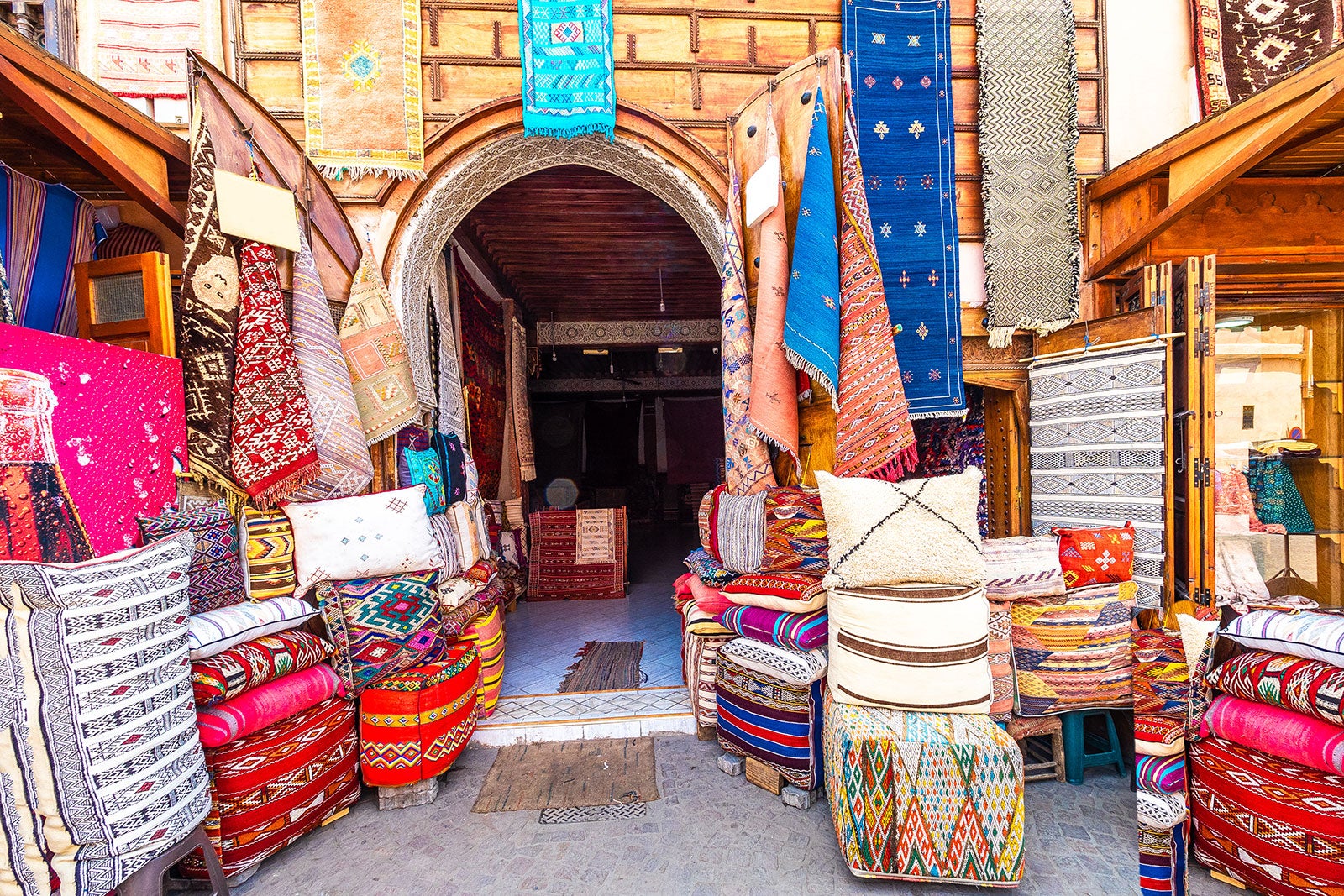
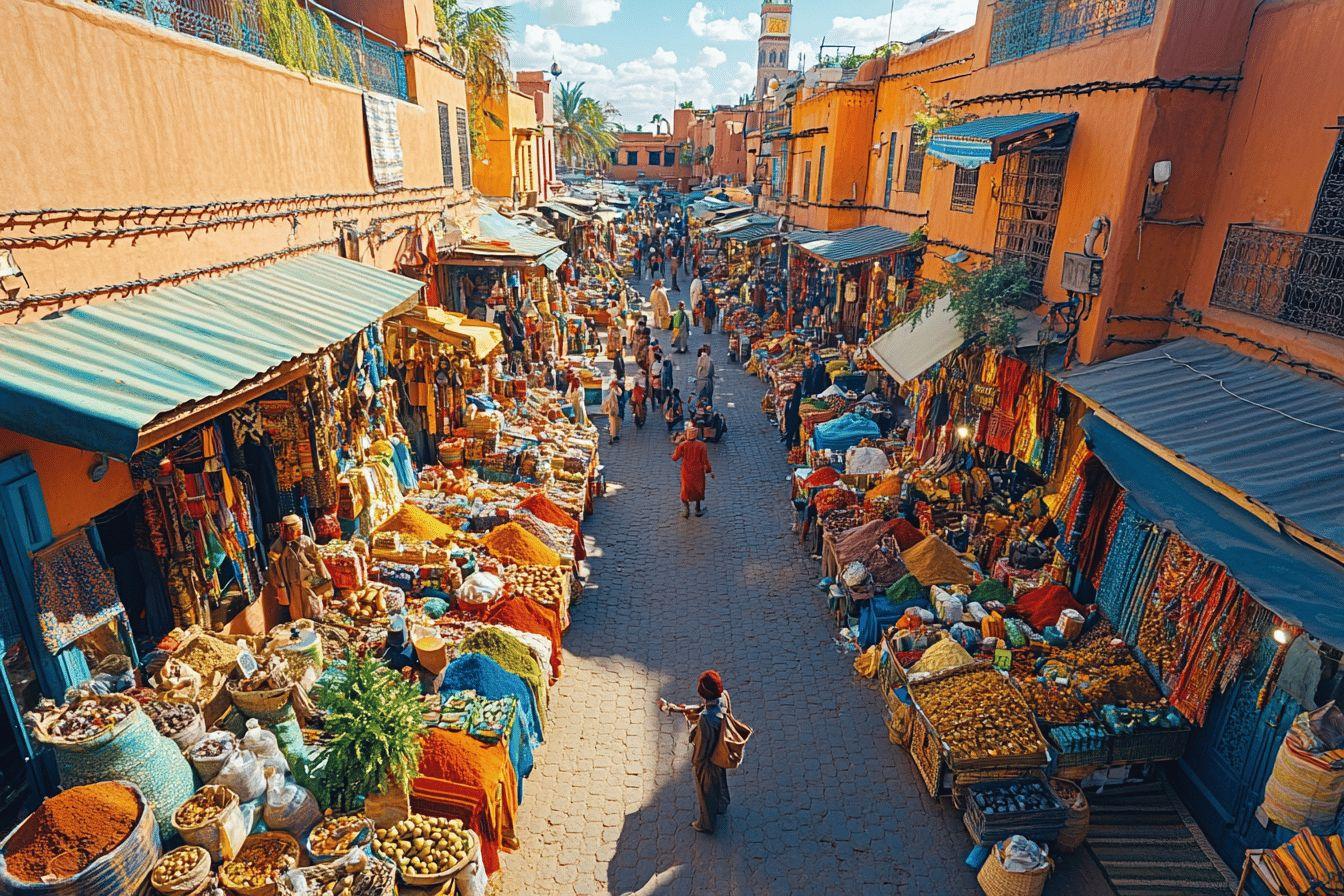
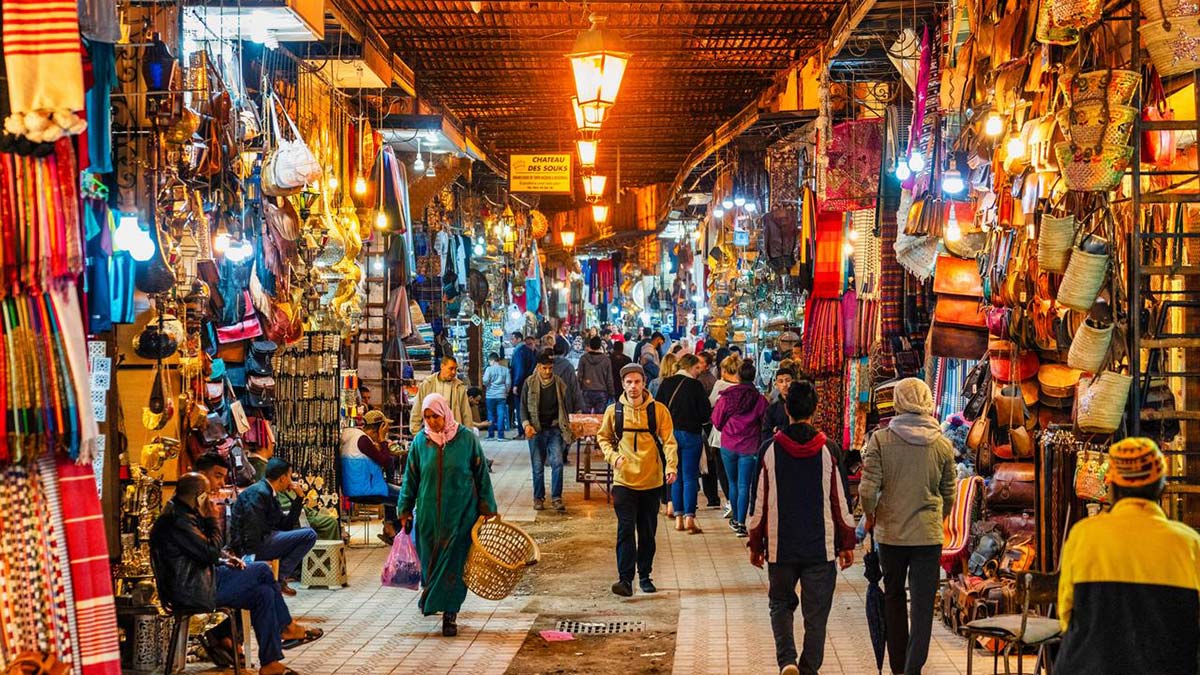
This central passage is the primary route for a marrakech souks walking tour and houses high-quality textiles and pottery.
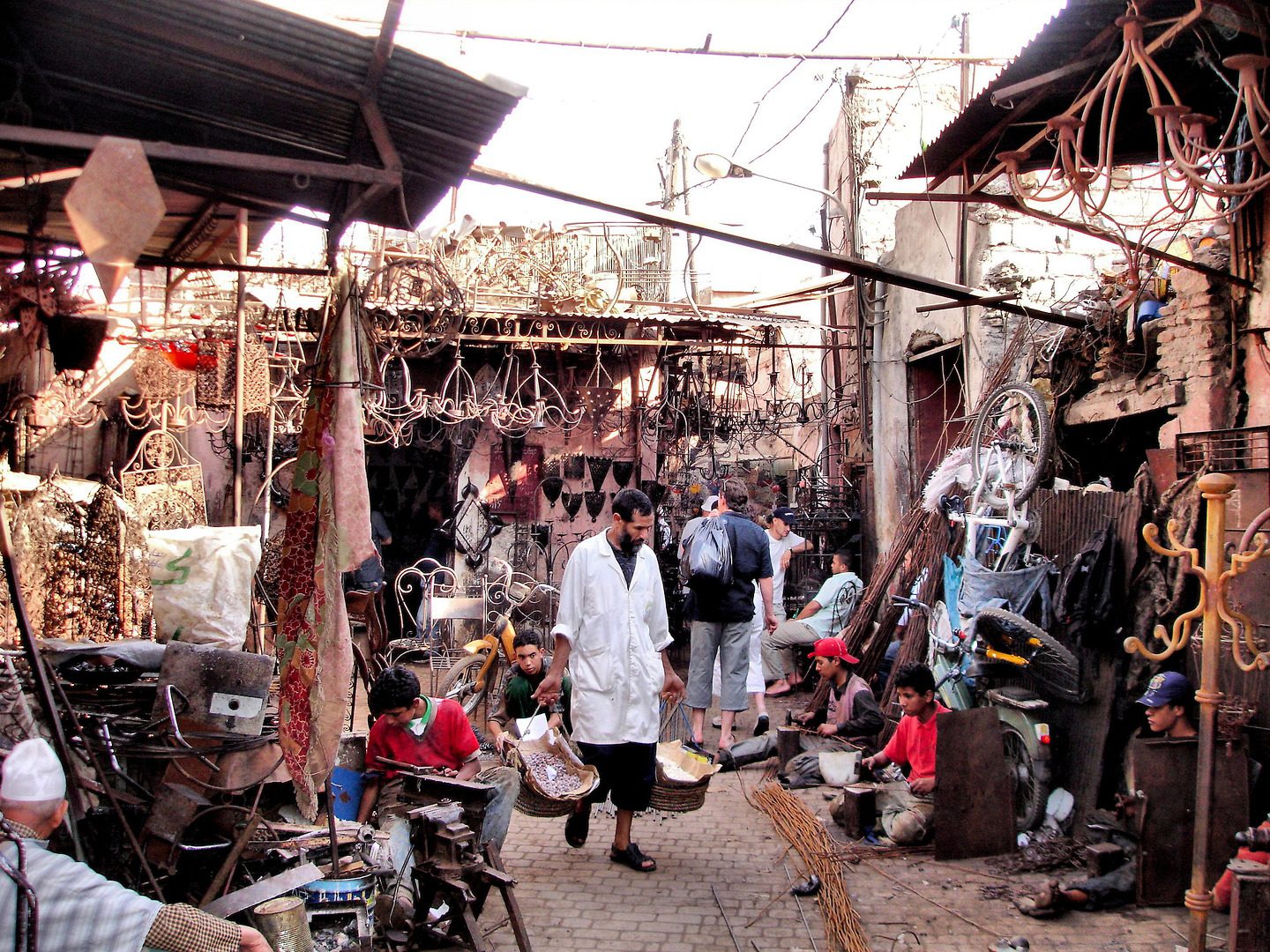
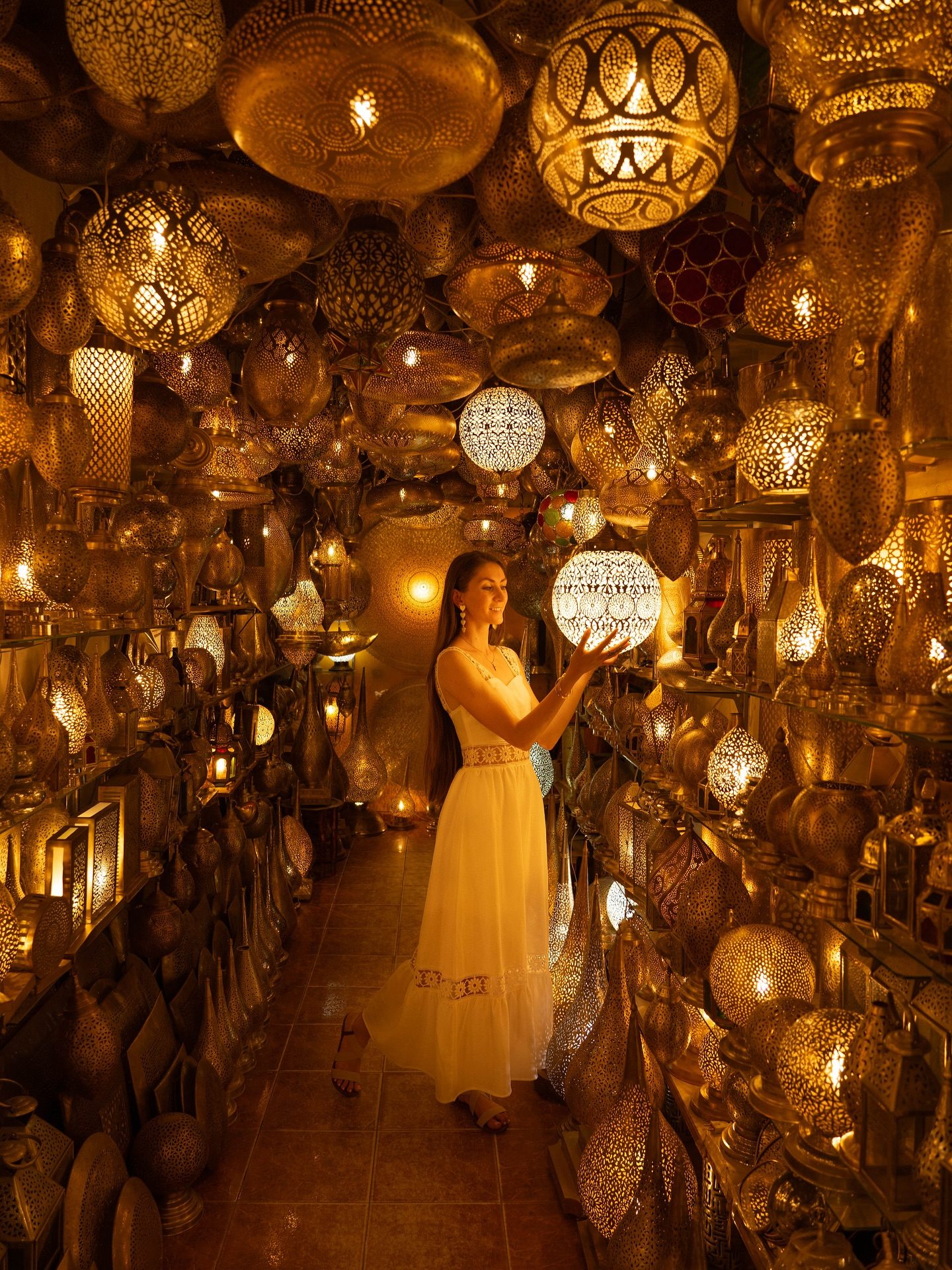
Witness blacksmiths using centuries-old techniques to forge iron lanterns and metalware.
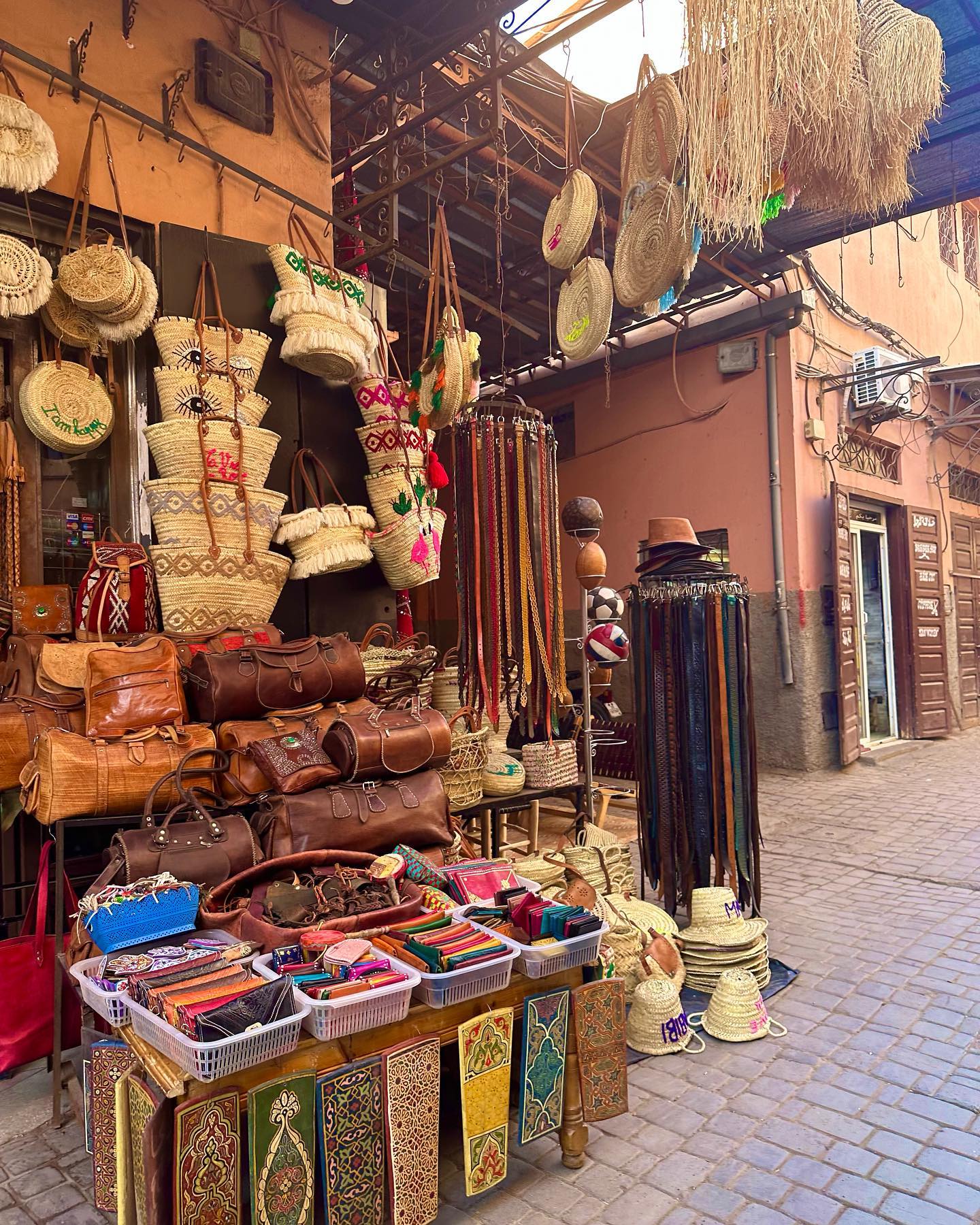
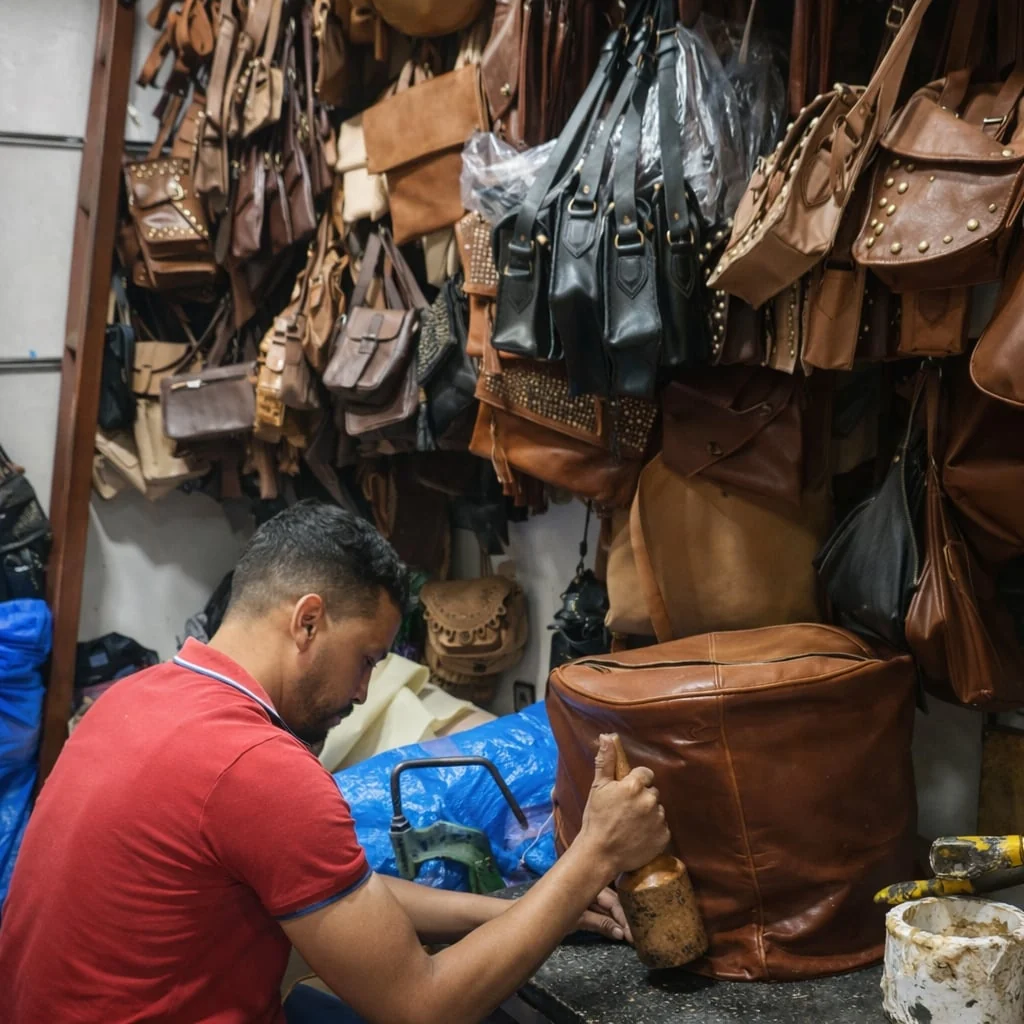
Known for leather goods, this section features high-quality bags, belts, and leather accessories.
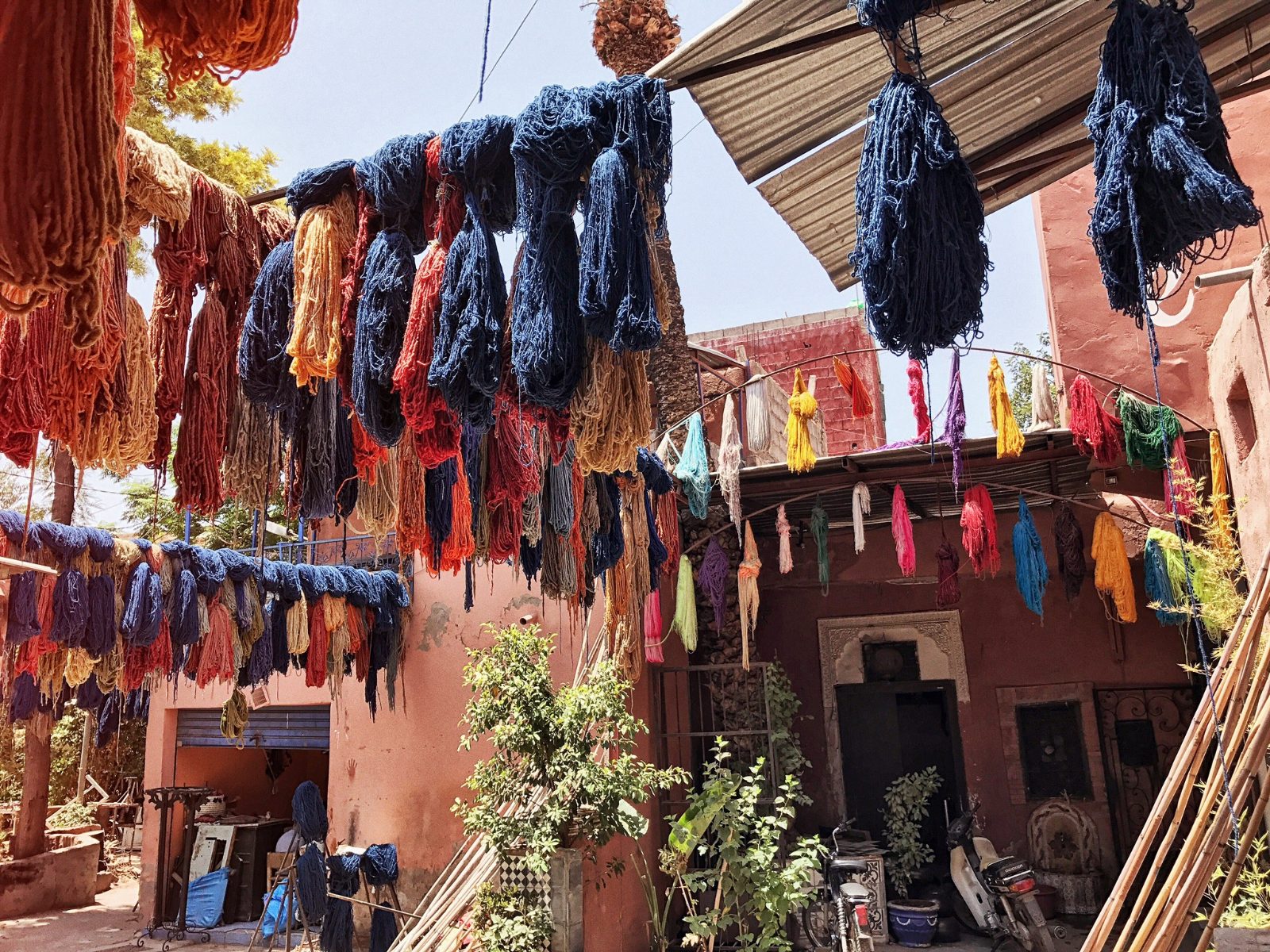
The dyers' souk is famous for vibrant wool and silk skeins hanging to dry under the sun.
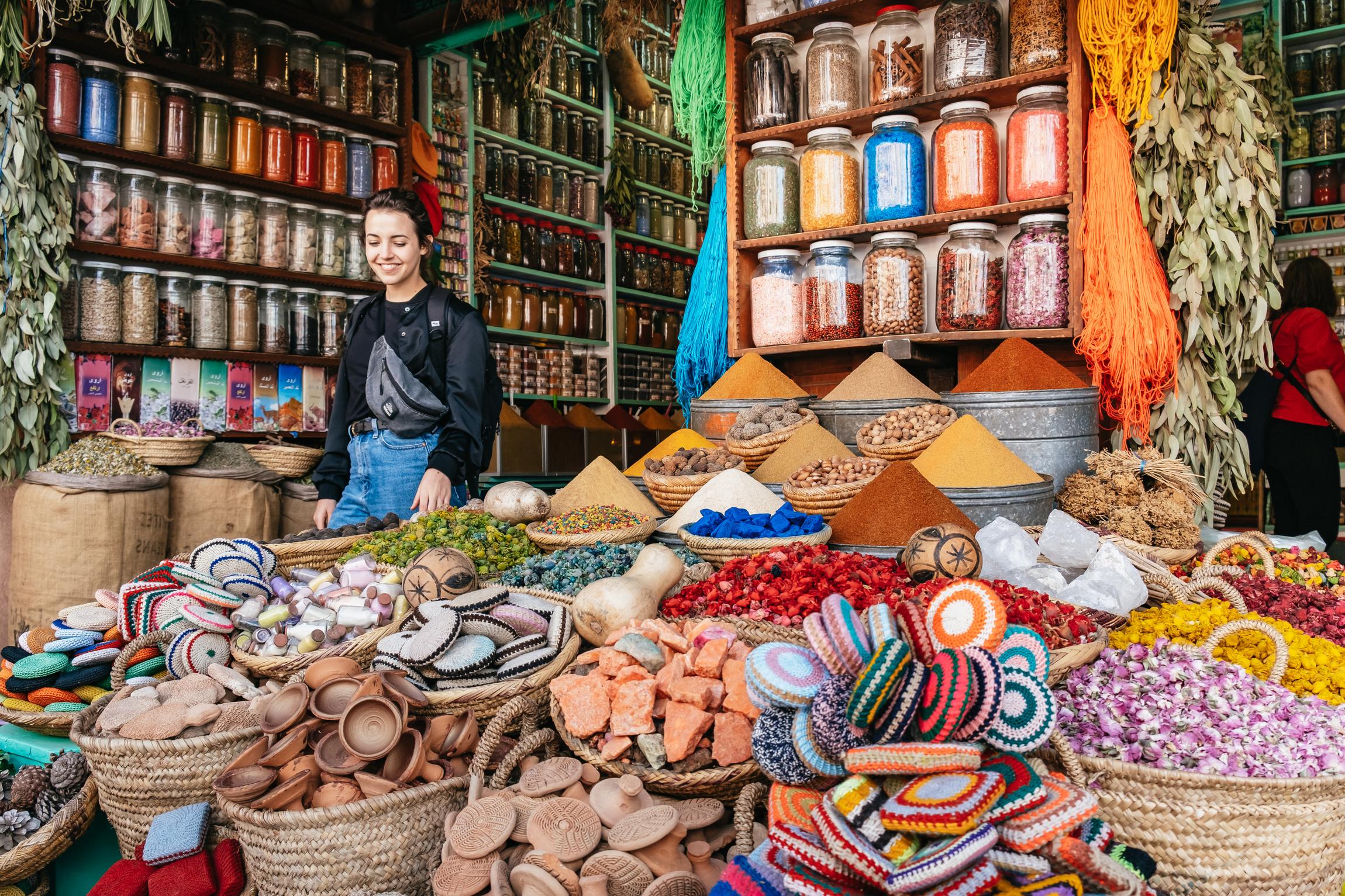
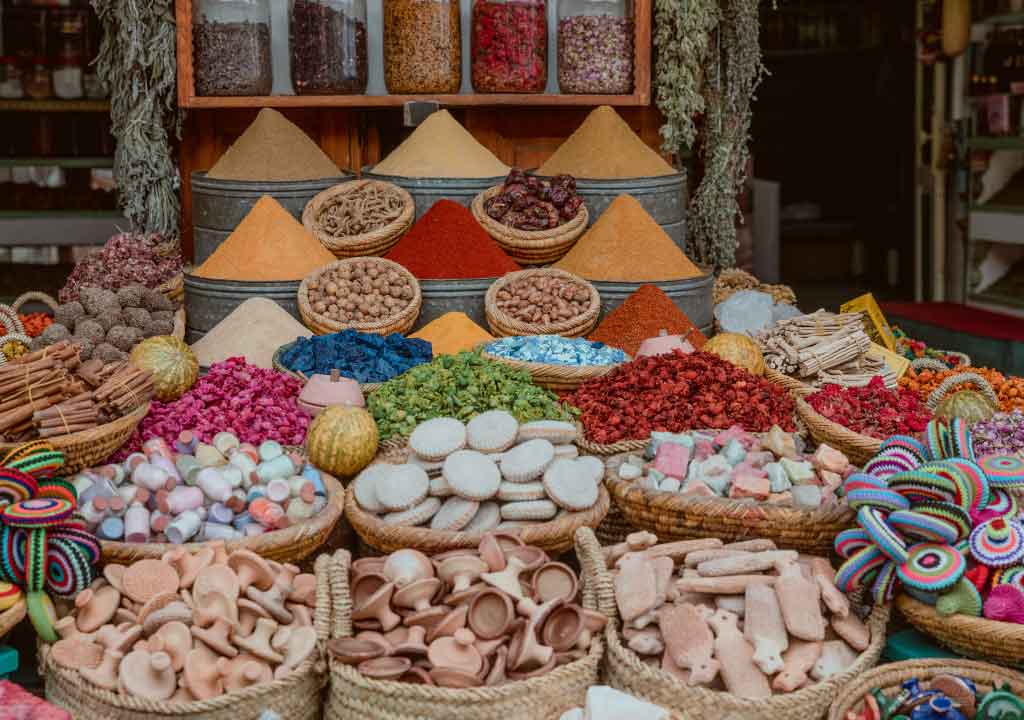
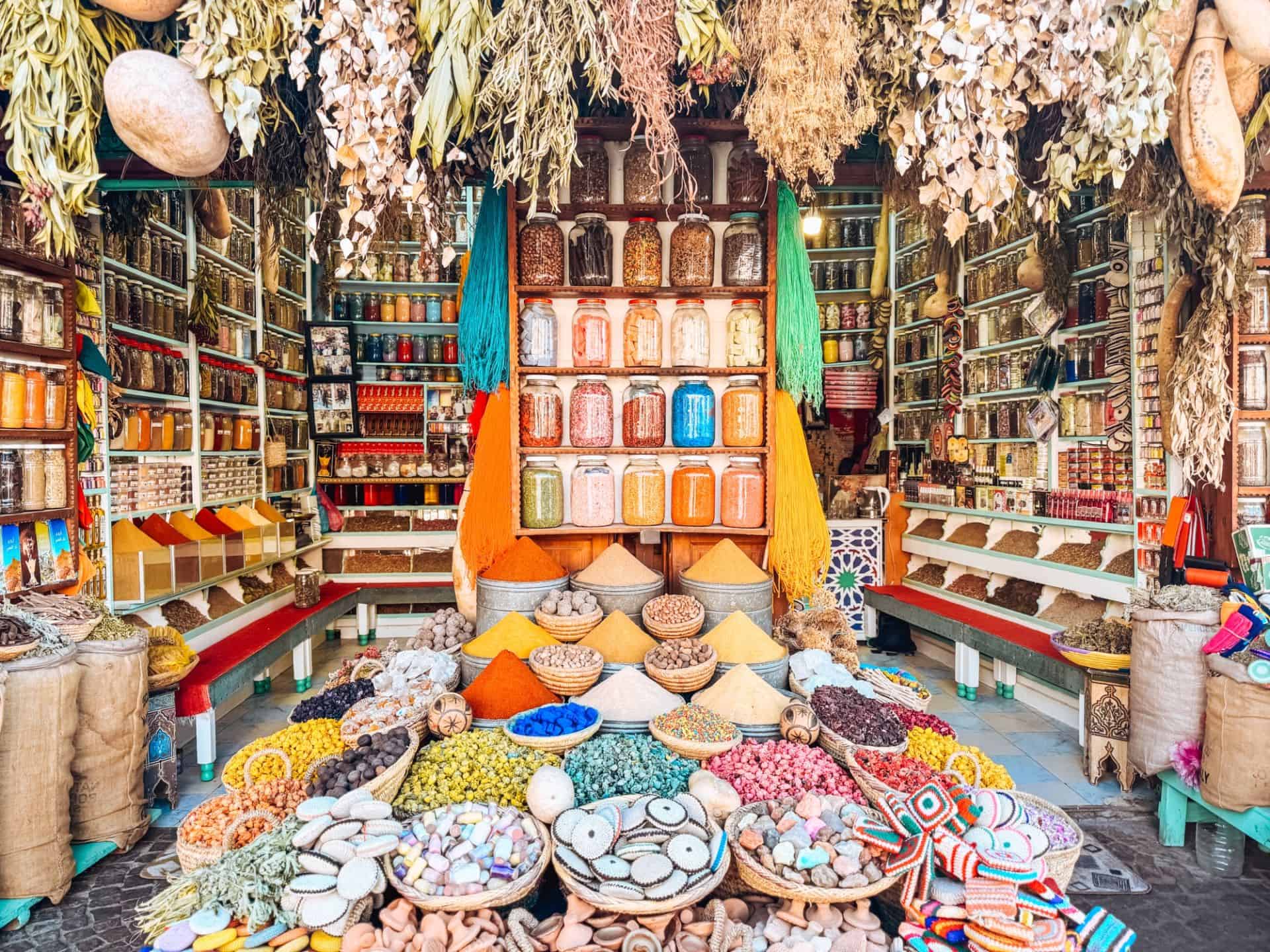
This square is the heart of the spice trade, offering local herbs and traditional remedies.
Every Marrakech Souks Walking tour side-by-side — duration, what's included, how you redeem.
| Experience | Duration | Rating | Pickup | Skip-the-line | Guide | Small group | Price | |
|---|---|---|---|---|---|---|---|---|
|
Guided Experience Most popular
Marrakech Historic Walking Tour: Palaces, Tombs & Souks
|
4 hr | ★ 4.7 | ✓ | ✓ | ✓ | ✓ | €15 | Book → |
|
Guided Experience
Marrakech Medina Walking Tour: Ben Youssef, Secret Garden & Souks
|
3 hr | ★ 4.6 | ✓ | ✓ | ✓ | ✓ | €15 | Book → |
|
Guided Experience
Marrakech Medina Souks Guided Walking Tour
|
3 hr | ★ 4.7 | ✓ | ✓ | ✓ | ✓ | €15 | Book → |
All prices from verified partners. Availability and exact terms confirmed at checkout.
Professional guides provide essential context and logistical security, whereas independent exploration offers complete freedom for those who enjoy the thrill of the unknown. Many travelers find that guided marrakech souks walking tour tours offer the best balance of safety and local insight for first-time visitors.
| Feature | Top pick Guided Tour | Self-Guided |
|---|---|---|
Ease of navigation |
High - guide leads | Low - map reliance required |
Historical context provided |
In-depth narrative | None |
Risk of getting lost |
Very low | High |
Negotiation support |
Active assistance | None |
Cost |
Price of ticket | 0 MAD (Free entry) |
Safety perception |
High - local expert | Variable - dependent on awareness |
| See tickets → |
Verdict: Choosing a marrakech souks walking tour tour ensures you learn about the rich heritage of these labyrinthine alleys, while the self-guided marrakech souks walking tour tickets are essentially non-existent, leaving navigation and vendor interaction entirely up to the individual.
Choose your ticket, select your date, and reserve in under two minutes. Secure checkout handled by our verified partner.
Instant confirmation by email, with a mobile voucher you can save offline. No printing, no queuing at a collection desk.
Arrive at the entrance, show your voucher on your phone, and walk in. Most tickets include priority or skip-the-line access.
Best time to go, insider tips, nearby landmarks, and the cancellation fine print — flip through to skim what matters to you.
How crowds, weather, and events shift across the year.
September to November offers moderate temperatures, making a marrakech souks walking tour comfortable. Crowds are manageable compared to the peak spring months.
December to February is cool, requiring layers for your marrakech souks walking tour. Expect fewer tourists during early mornings.
March to May is the busiest time for a marrakech souks walking tour. Temperatures are pleasant but peak travel occurs.
June to August experiences extreme heat, often exceeding 40C. Visit only during the earliest arrival window to escape the intensity.
Small details that turn a good visit into a great one.
Use landmarks like the Koutoubia Mosque to orient yourself when lost during your marrakech souks walking tour.
Wearing loose, modest clothing helps keep cool while respecting local traditions during your marrakech souks walking tour.
Utilize the 09:00–10:30 arrival window to ensure a pleasant experience on your marrakech souks walking tour.
Most shops in the Medina do not accept cards; keep small denominations of MAD for marrakech souks walking tour purchases.
Carry water as indoor spaces in the souks can become humid during your marrakech souks walking tour.
Non-bookable sights within a short walk — free to visit, easy to pair.
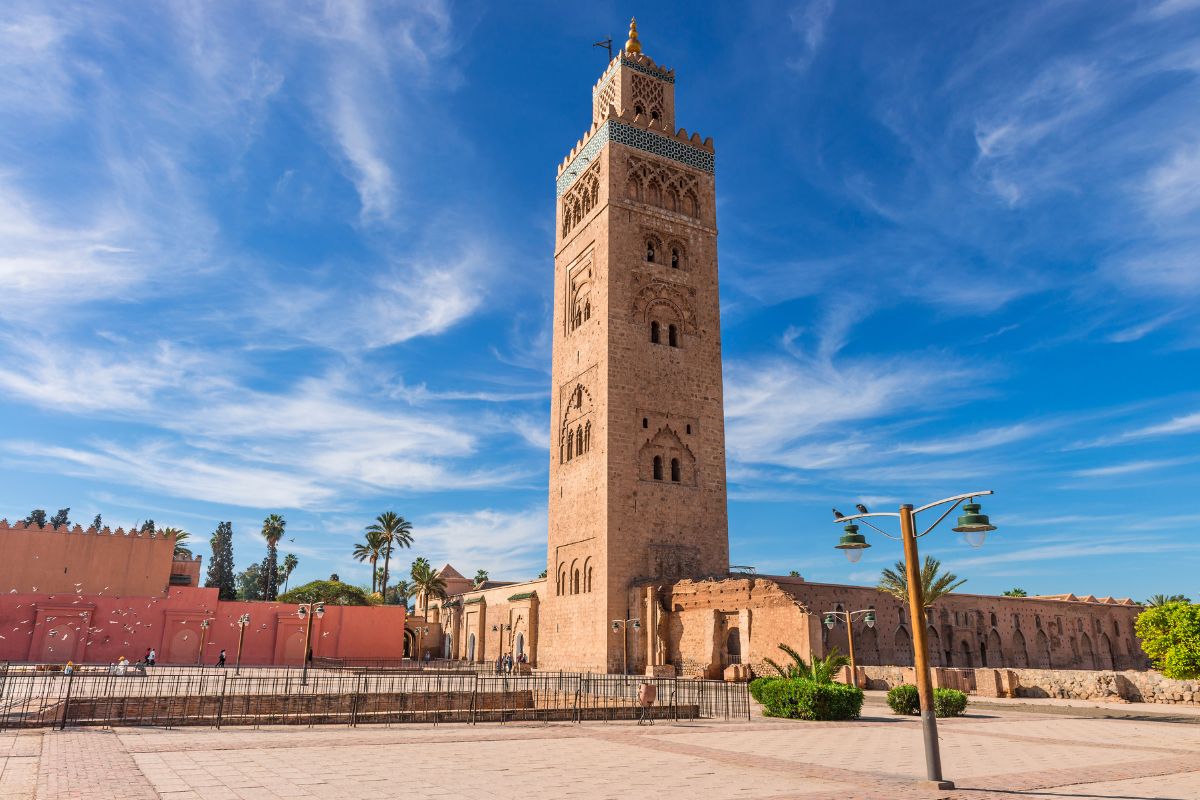
The iconic minaret dominates the city skyline and serves as a major navigation point
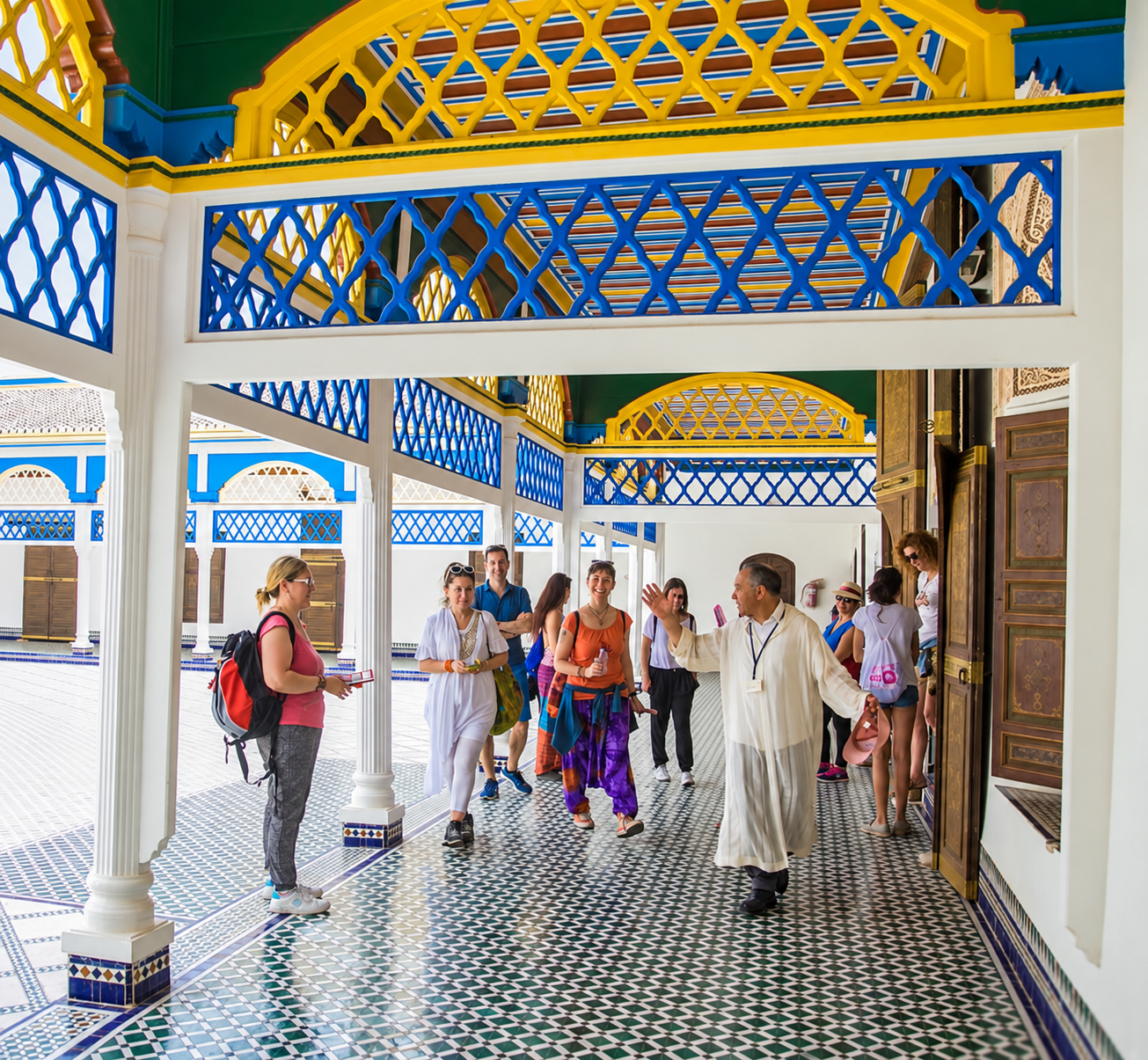
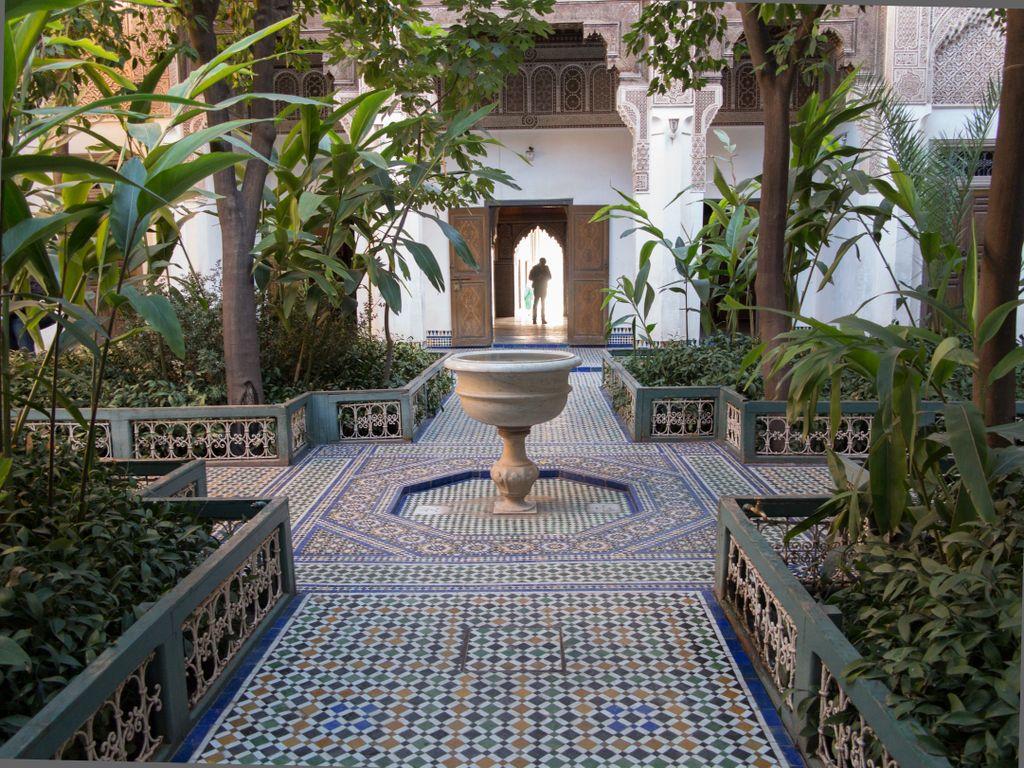
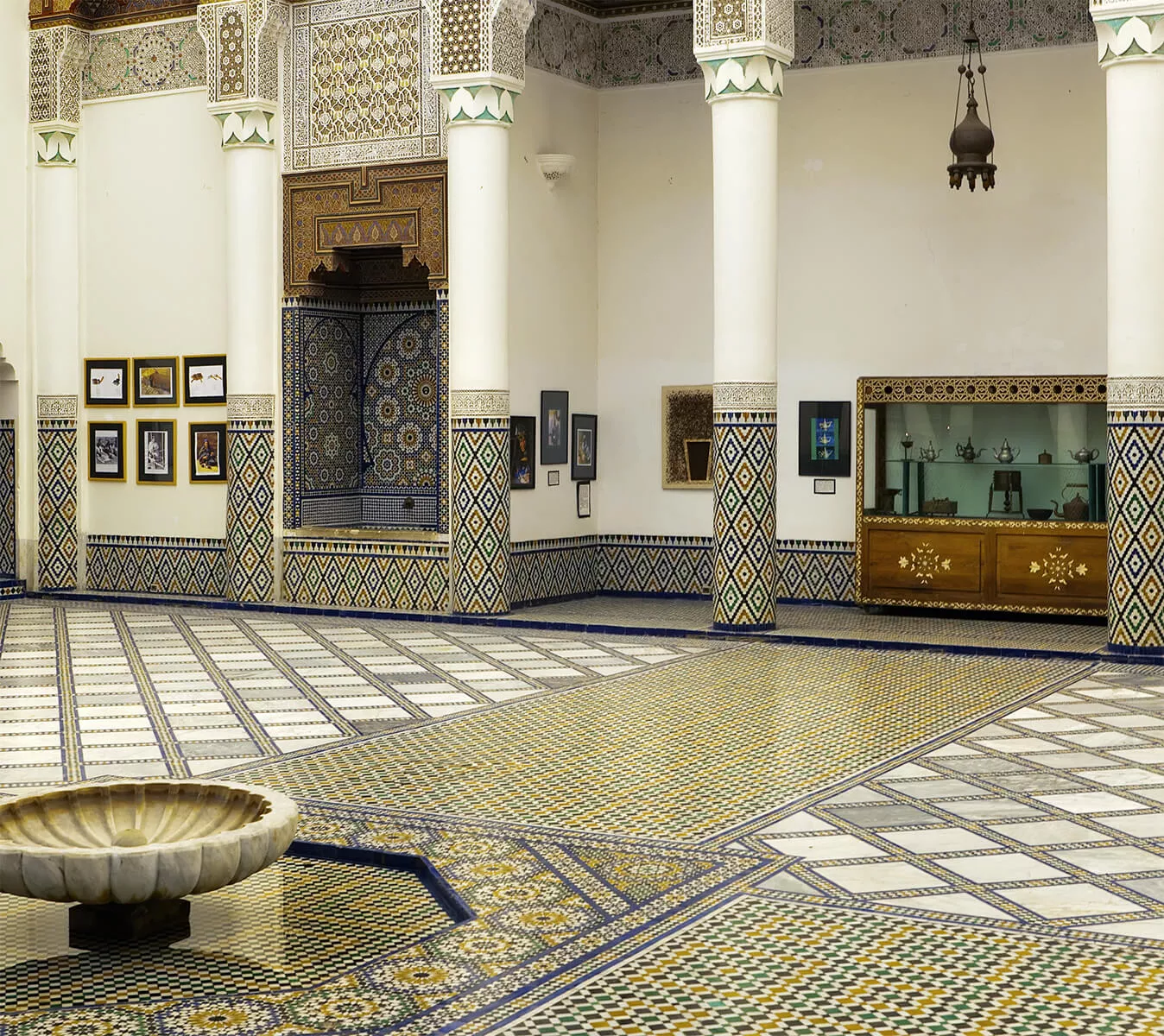
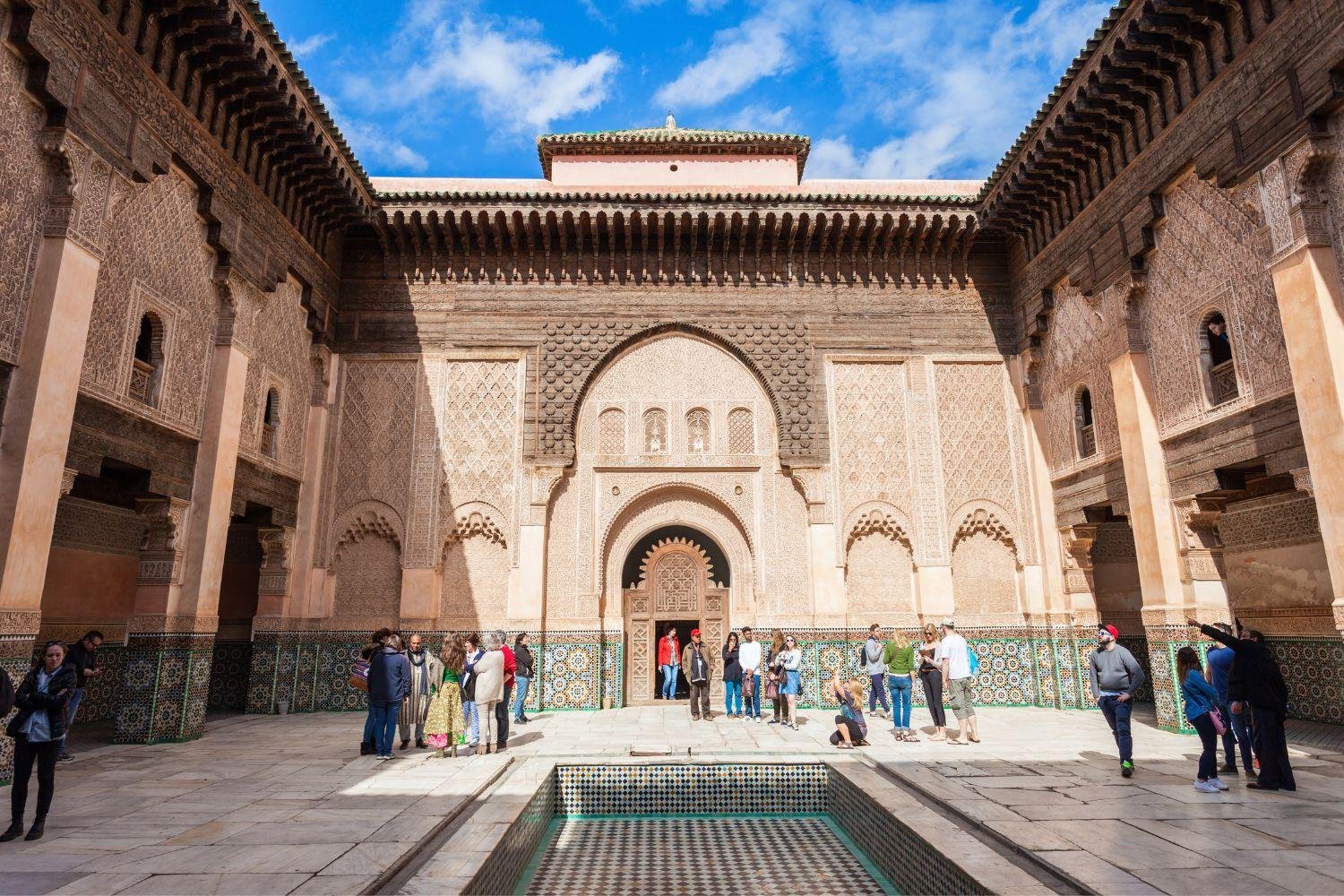
A nineteenth-century palace known for its intricate tile work and courtyards
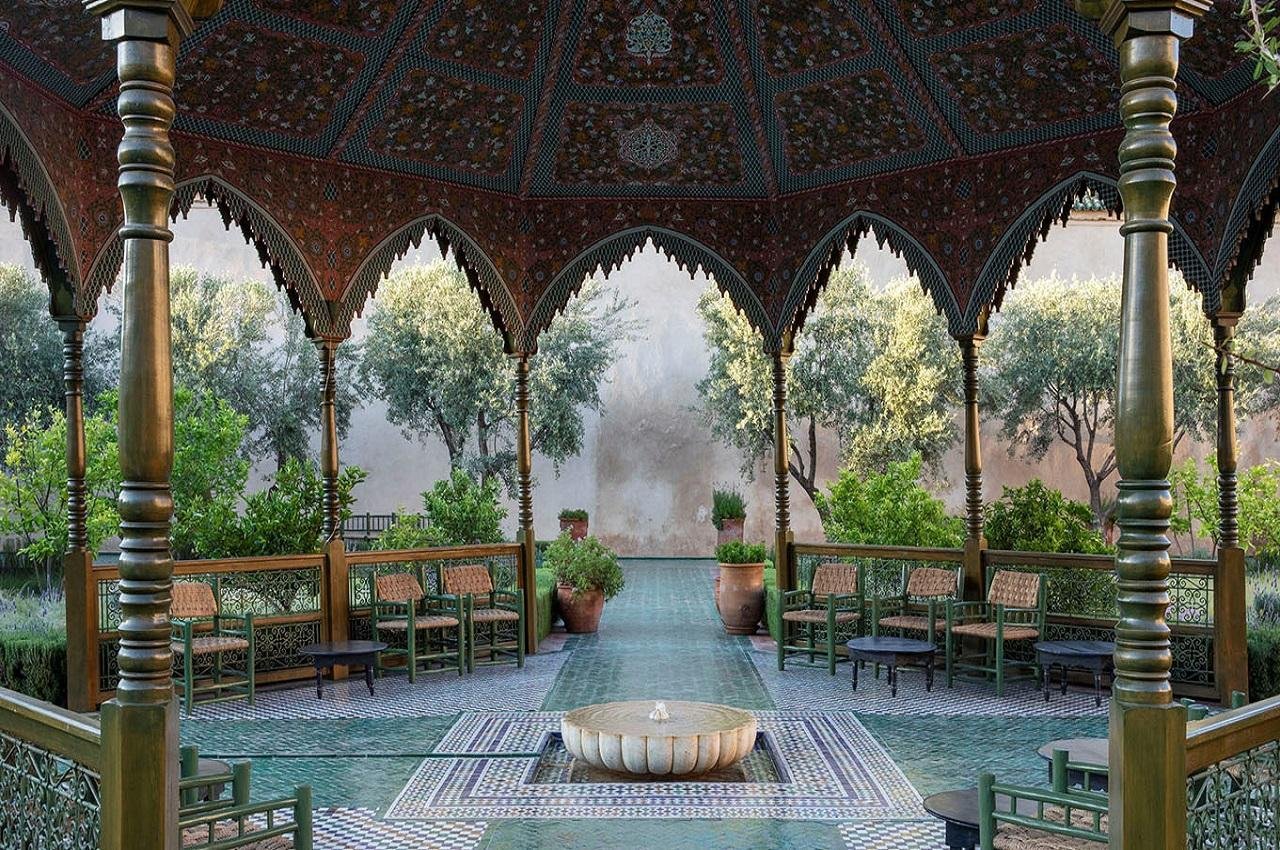
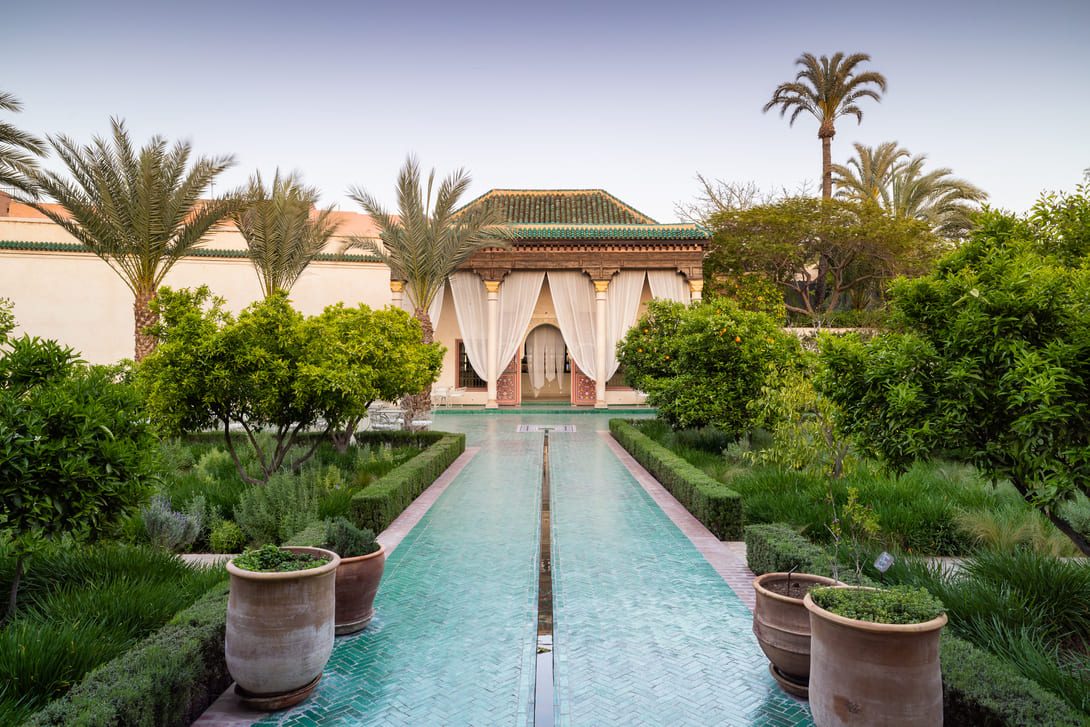
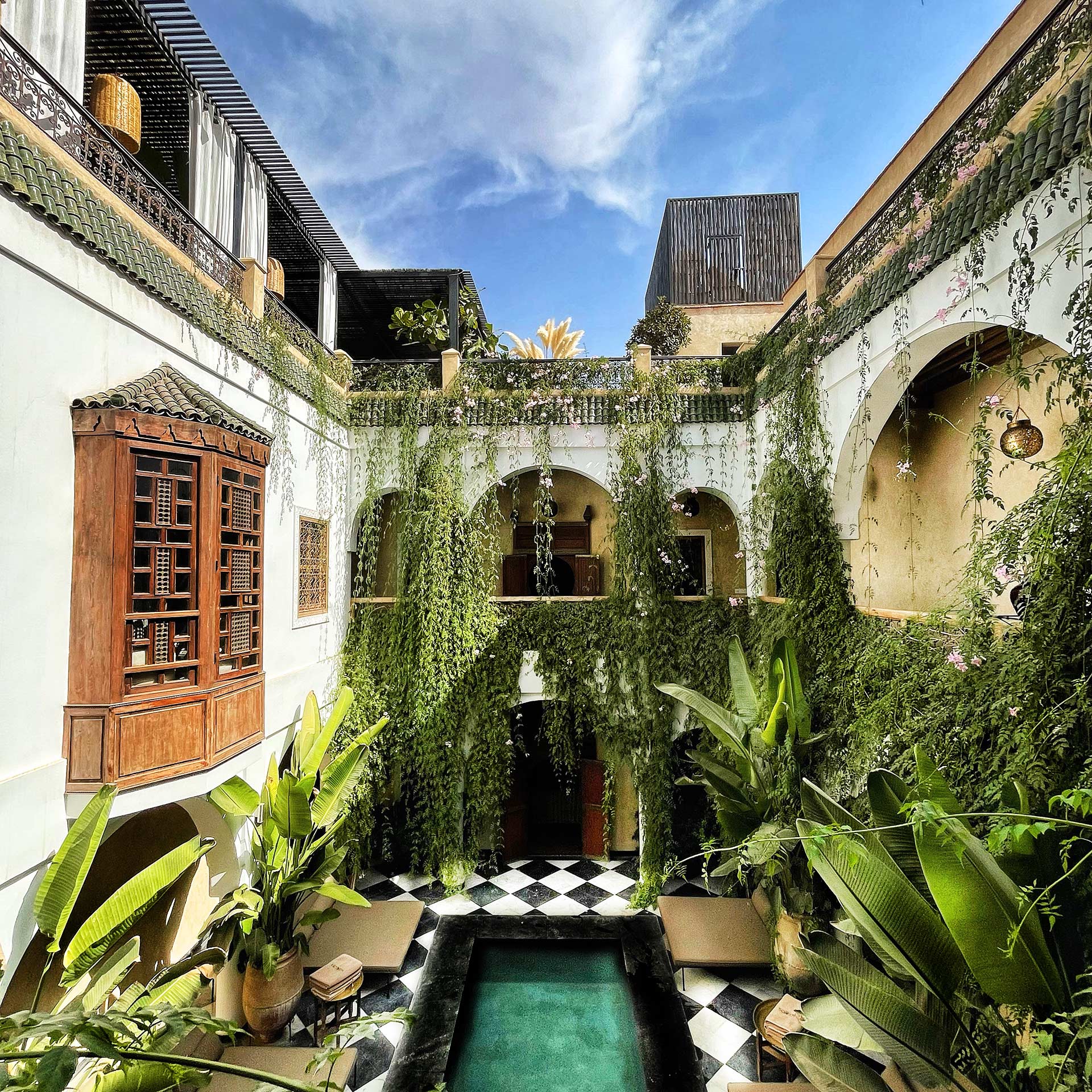
A restored historic garden complex located within the heart of the Medina
A museum dedicated to Moroccan arts and traditional crafts
Flexible, no hidden fees.
Since your marrakech souks walking tour features free entry, no cancellation or refund processes apply. Visitors may arrive at their convenience during operational hours.
Hand-picked options within walking distance — pick a district for vibe, or a specific hotel for convenience.
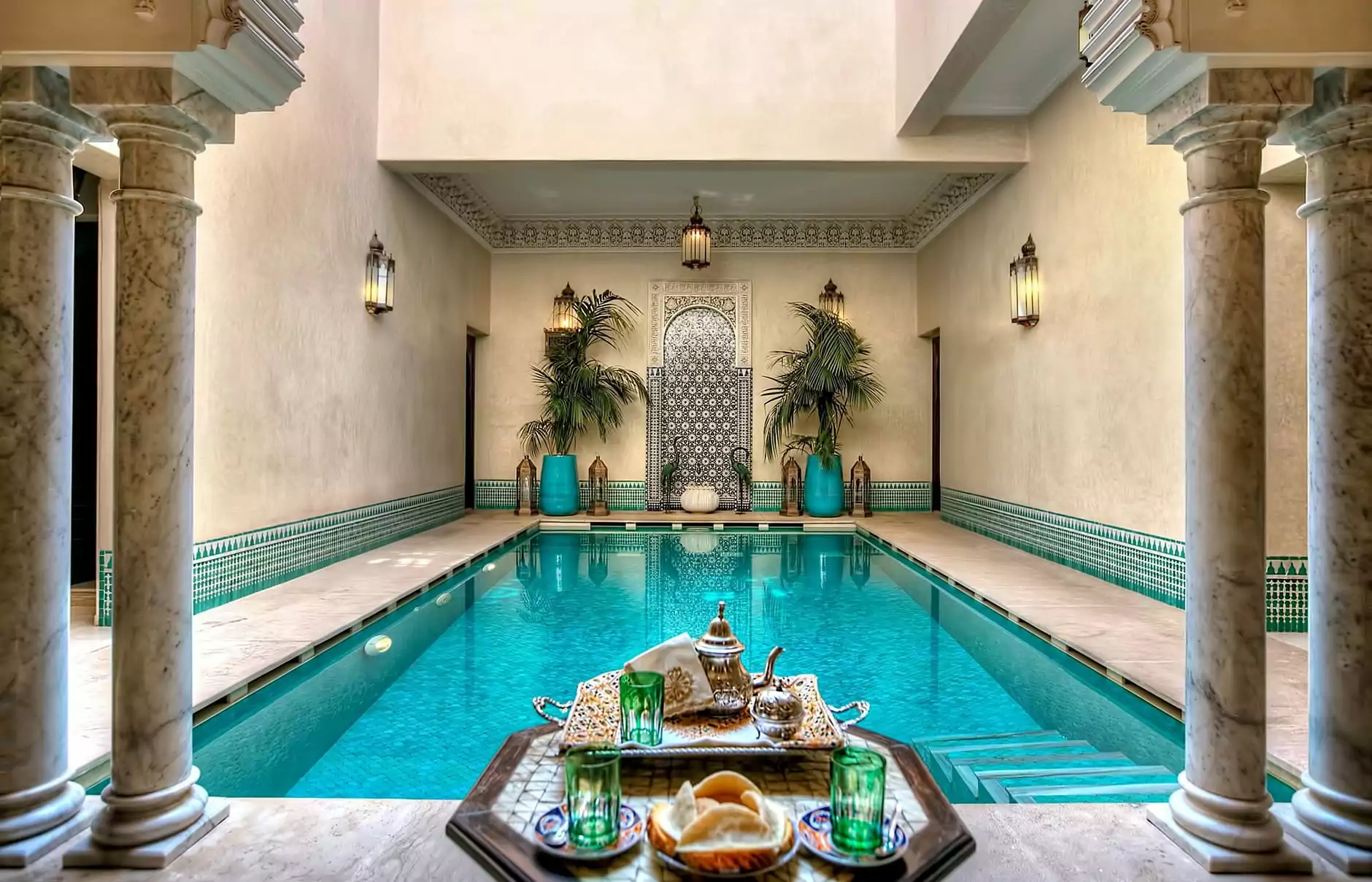
Traditional boutique riad offering authentic Moroccan hospitality
Centrally located accommodations within the historic walls
Common options for solo travelers in the Medina
The souks of Marrakech stretch across more than six thousand stalls arranged in thirty-two named districts, each dedicated to a single craft guild. Woodworkers occupy Souk Nejjarine. Blacksmiths hammer in Souk Haddadine. Dyers hang their crimson and saffron skeins in Souk Sebbaghine.
This functional geography, unchanged since the eleventh century, reflects the Almoravid dynasty's vision of urban order.
The medina's market network predates the founding of the city itself. When Sultan Yusuf ibn Tashfin established Marrakech in 1062, he inherited Berber trade routes that had connected the Sahara to the Mediterranean for five hundred years. Caravans arrived with gold dust, salt blocks, and enslaved people; they departed with textiles, metalwork, and dates. The souks became the economic engine of an empire that stretched from Senegal to Zaragoza. By the thirteenth century, geographer al-Idrisi counted eighteen thousand traders operating within the medina walls.
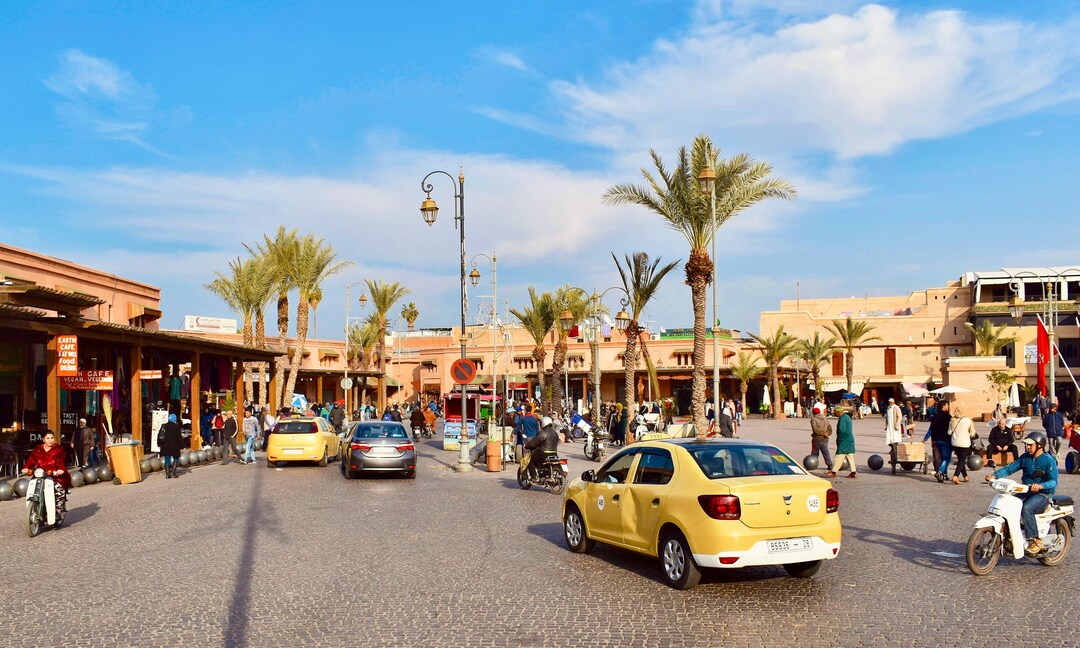
Today's souk architecture preserves medieval logic. Covered passageways filter sunlight through palm-frond latticework, keeping interiors ten degrees cooler than open plazas. Narrow lanes prevent carts from entering, forcing human-scale commerce. The absence of signage is deliberate—navigation by landmark and guild district discourages casual browsers and rewards initiated buyers. A marrakech medina souks guided walking tour reveals this layered order: the progression from tourist-facing carpet vendors near Jemaa el-Fnaa to wholesale leather auctions in the northern tanneries follows a gradient of authenticity and specialization.
The crafts themselves encode centuries of technique. Zellij tilework requires twelve years of apprenticeship. A single mosaic panel contains two thousand hand-cut ceramic fragments, assembled without adhesive. Babouche slippers are stitched using palm fiber thread and vegetable-tanned goatskin—methods documented in fourteenth-century Marinid tax records. These processes survive not as museum demonstrations but as profitable enterprises. Morocco's artisan sector employs two million workers, and the Marrakech souks remain the country's largest craft marketplace. Where many souks in marrakech sell to tourists, the wholesale districts supply retailers across North Africa and Europe, maintaining the medina's role as a continental trade hub.

"The souks became the economic engine of an empire that stretched from Senegal to Zaragoza."
Yes, children can join a marrakech souks walking tour, provided they are capable of walking on uneven ground.
The Medina of Marrakesh has very narrow, uneven paths, making a marrakech souks walking tour difficult for wheelchair users.
Dress modestly covering shoulders and knees throughout your marrakech souks walking tour.
Always ask permission before photographing local residents or shop staff during your marrakech souks walking tour.